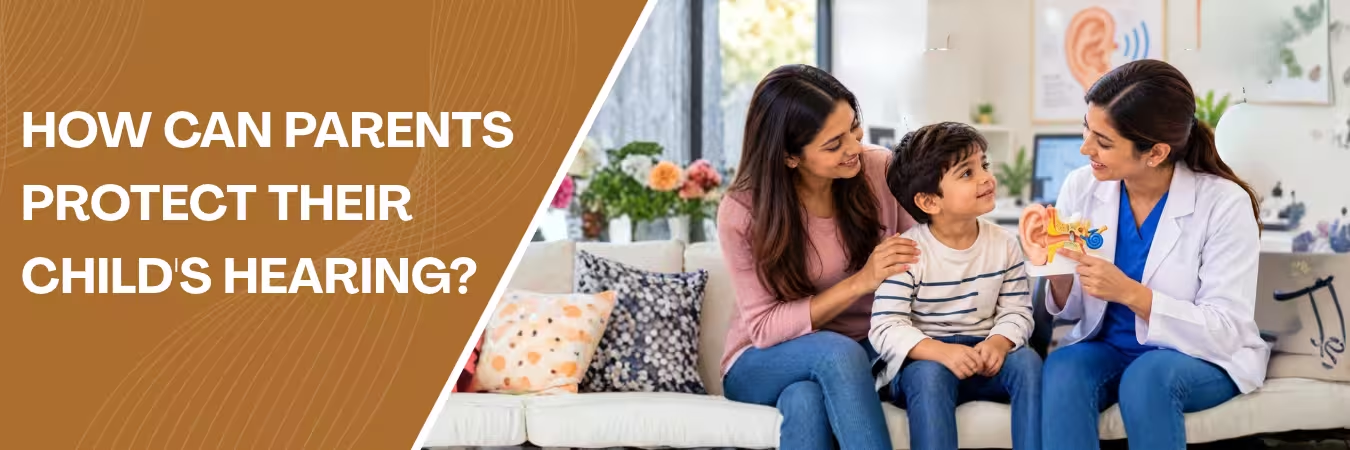
HOW CAN PARENTS PROTECT THEIR CHILD'S HEARING?
Children experience many sounds every day, from conversations and classroom activities to music, television, and outdoor noise. While sound helps children explore their surroundings, loud or prolonged noise can harm their hearing. Parents can support healthy hearing by creating safer listening habits and paying attention to changes in how their child responds to sounds. Audiology helps assess hearing health and identify concerns that may need professional attention. At Eraya Rehabilitation Healthcare Centre, families can seek guidance about children’s hearing needs and appropriate assessment options.
HOW CAN LOUD SOUNDS AFFECT A CHILD'S HEARING?
Children’s ears can be exposed to loud sounds through headphones, loudspeakers, concerts, fireworks, and other noisy environments. Repeated exposure to high sound levels may damage the delicate structures inside the inner ear and lead to hearing difficulties. Some children may not realise that the volume they are listening to is too high. Parents can help by reducing volume, limiting listening time, and moving children away from excessively loud sound sources.
HOW CAN PARENTS DEVELOP SAFE LISTENING HABITS IN CHILDREN?
Healthy listening habits can make a difference in protecting a child’s hearing over time. Encourage children to keep headphone volume at a comfortable level, take regular listening breaks, and avoid using headphones at high volumes for long periods. In noisy places, move to a quieter area whenever possible and consider suitable hearing protection when exposure to loud sounds cannot be avoided. Teaching these habits early can help children become more aware of how they listen to audio and protect their hearing as they grow.
WHICH SIGNS MAY INDICATE A HEARING PROBLEM?
Parents may notice that a child often asks for repetition, increases the television volume, does not respond consistently when called, or struggles to follow conversations in noisy places. Some children may also have difficulties with speech development or understanding spoken instructions. These signs do not always mean that hearing loss is present, but they are worth discussing with a qualified professional. An Audiology assessment can help determine whether the child’s hearing needs further evaluation.
WHEN SHOULD A CHILD HAVE A HEARING ASSESSMENT?
A hearing assessment may be appropriate if parents notice changes in their child’s response to sounds, speech development, or ability to understand conversations. It is also important to follow recommended newborn hearing screening and seek further testing if a screening result requires follow-up. Children who previously had normal hearing can still develop hearing difficulties later, so new concerns should not be ignored. A qualified audiology professional can recommend suitable tests based on the child’s age, development, and hearing concerns.
AUDIOLOGY SERVICES AT ERAYA REHABILITATION HEALTHCARE CENTRE
At Eraya Rehabilitation Healthcare Centre, our Audiology services help families understand hearing concerns and explore appropriate assessment options. Depending on the child’s needs and the services available, hearing care may include pediatric hearing assessments, newborn hearing screening, and further testing when recommended. Our aim is to help parents understand assessment findings and the next steps that may support their child’s hearing and communication needs. If you have concerns about your child’s hearing or listening habits, contact Eraya Rehabilitation Healthcare Centre to discuss a suitable hearing assessment.
Ready to start your recovery?
Talk to our physiotherapy team about a personalized rehabilitation plan built around your recovery stage.