WHY PHYSIOTHERAPY IS IMPORTANT AFTER SURGERY OR OPERATION?
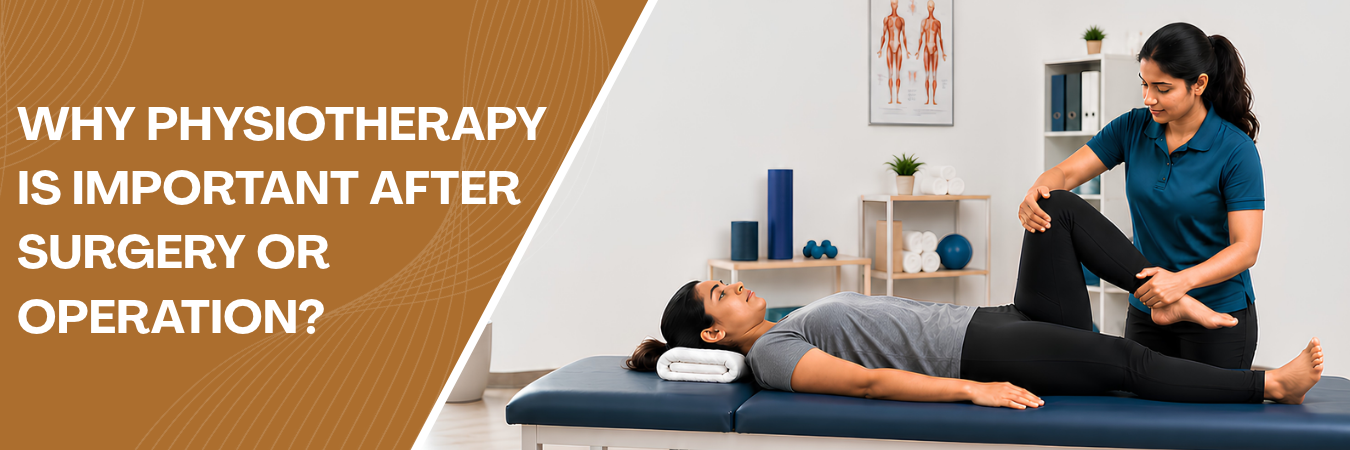
Surgery is an important step in treating many health conditions, but recovery continues after the procedure. Physiotherapy plays an important role in helping patients regain strength, mobility, flexibility, and physical function. A structured rehabilitation program can also help manage pain and stiffness and support a gradual return to daily activities. The timing and type of physiotherapy should always be based on the patient’s condition and the advice of their healthcare professional.
WHY IS PHYSIOTHERAPY NEEDED AFTER SURGERY?
After surgery, reduced movement and prolonged rest can result in muscle weakness, stiffness, reduced flexibility, and difficulty with normal activities. Patients may also experience changes in balance, walking, or joint movement depending on the type of procedure. Physiotherapy helps address these physical limitations through appropriate exercises and rehabilitation techniques. The treatment plan is usually adjusted according to the patient’s recovery stage and individual needs.
HOW DOES PHYSIOTHERAPY HELP IN RECOVERY?
Physiotherapy focuses on gradually restoring movement and physical function after surgery. A physiotherapist may use therapeutic exercises, stretching, strengthening, mobility training, and other appropriate techniques to support recovery. These exercises are introduced progressively to avoid unnecessary strain and encourage safe movement. Regular physiotherapy can help patients regain confidence and become more independent in their daily activities.
BENEFITS OF PHYSIOTHERAPY AFTER SURGERY
Post-operative physiotherapy can help reduce stiffness and improve joint and muscle movement. It also helps improve strength, flexibility, balance, coordination, and overall mobility. Depending on the surgery, physiotherapy may assist with activities such as walking, standing, sitting, and performing routine movements. Consistent rehabilitation under professional guidance can support a smoother and more structured recovery.
WHO MAY BENEFIT FROM POST-SURGERY PHYSIOTHERAPY?
Physiotherapy may be recommended for patients recovering from joint replacement, orthopedic procedures, injuries, and other surgeries that affect movement and physical function. Patients experiencing weakness, stiffness, reduced mobility, or difficulty performing daily activities may also require rehabilitation. However, every patient has different recovery needs, so treatment should be individualized. A physiotherapist can assess the patient and develop an appropriate rehabilitation plan in consultation with the treating doctor.
START YOUR REHABILITATION AT THE RIGHT TIME
Physiotherapy may be recommended for patients recovering from joint replacement, orthopedic procedures, injuries, and other surgeries that affect movement and physical function. Patients experiencing weakness, stiffness, reduced mobility, or difficulty performing daily activities may also require rehabilitation. However, every patient has different recovery needs, so treatment should be individualized. A physiotherapist can assess the patient and develop an appropriate rehabilitation plan in consultation with the treating doctor.
Ready to start your recovery?
Talk to our physiotherapy team about a personalized rehabilitation plan built around your recovery stage.